The Historic Dockyard: Cornerstone of Maritime Portsmouth
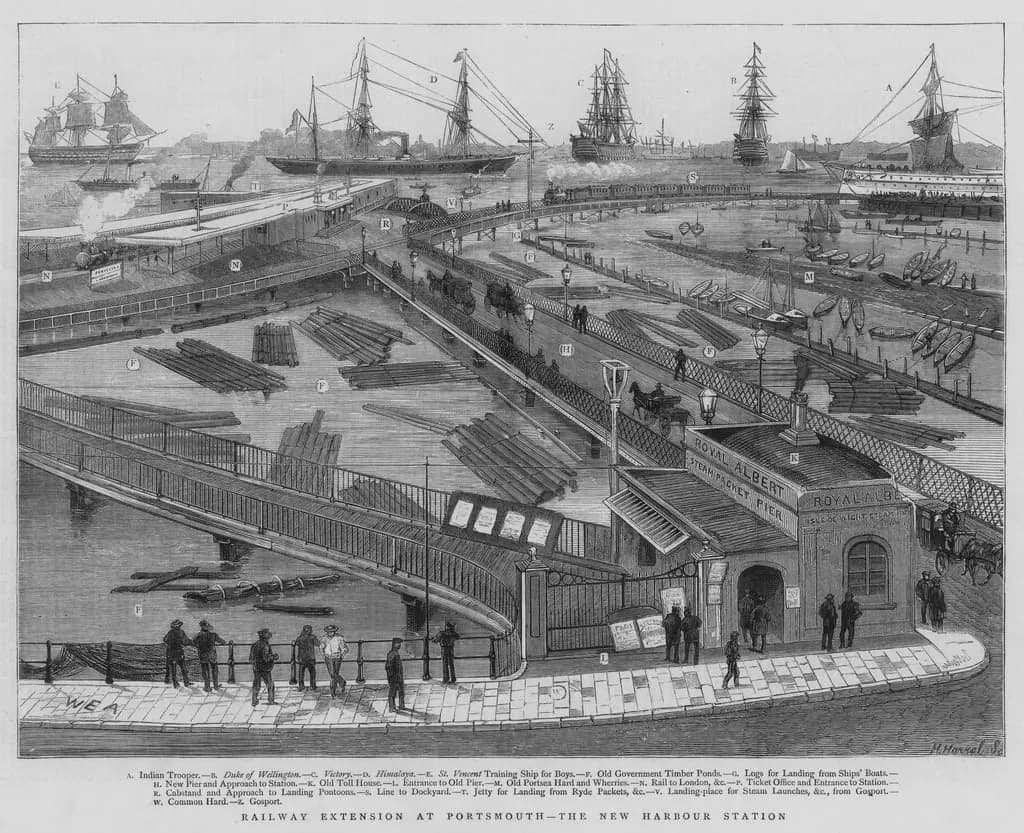
Portsmouth's identity has been shaped by the sea for centuries. The Historic Dockyard stands as the city's most significant heritage site, housing HMS Victory, Admiral Nelson's flagship from the Battle of Trafalgar, and the Mary Rose, Henry VIII's Tudor warship raised from the Solent in 1982. These vessels attract hundreds of thousands of visitors annually and anchor the city's tourism economy.
The dockyard remains an active naval base alongside its public-facing heritage attractions. This dual function creates a unique environment where working Royal Navy personnel share space with tourists exploring centuries of maritime history.
Southsea Seafront and Coastal Defence Works
The Southsea seafront has undergone significant changes in recent years. New sea defences have been constructed along the beach to protect the city from coastal erosion and flooding risks. These engineering works represent ongoing investment in Portsmouth's resilience against rising sea levels and increasingly severe weather events.
The seafront remains a focal point for local recreation. The common, castle, and promenade provide space for residents to walk, exercise, and access the beach. Maintaining these coastal amenities while protecting against erosion presents an ongoing challenge for city planners.
The Spinnaker Tower and Gunwharf Quays
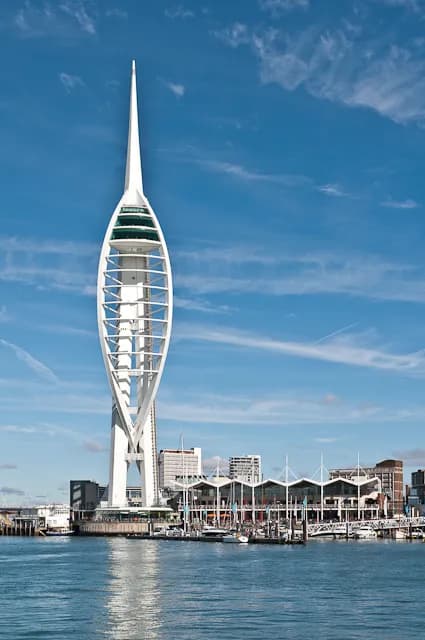
The Emirates Spinnaker Tower has dominated Portsmouth's skyline since its completion. Standing at 170 metres, the tower offers panoramic views across the Solent, the harbour, and the city. The structure has become the visual symbol of modern Portsmouth, featured on tourism materials and instantly recognisable to residents.
Adjacent to the tower, Gunwharf Quays provides retail and leisure facilities in a regenerated waterfront location. The development transformed former naval land into commercial space, reflecting the broader shift in Portsmouth's economy from naval dominance towards services, tourism, and retail.
Balancing Heritage with Modern Needs
Portsmouth faces the challenge of preserving its naval heritage whilst adapting to contemporary economic realities. The dockyard's working naval function has diminished from its peak, yet the military presence remains significant. Meanwhile, the city's universities, hospitals, and service industries employ growing numbers of residents.
The waterfront itself is contested space. Commercial development, public access, environmental protection, and naval operations all compete for priority along the harbour edges. Decisions about land use here have consequences for the entire city.
Local Impact and Community Connection
For Portsmouth residents, the waterfront is more than a tourist destination. It represents employment history, family connections to naval service, and daily commuting routes. The sea defines the city's geography and psychology. Regeneration projects must account for this local attachment whilst pursuing economic objectives.
The ongoing investment in sea defences, the maintenance of heritage attractions, and the management of retail developments all shape how Portsmouth residents experience their city. These decisions determine whether the waterfront serves local needs or becomes solely a visitor attraction.
Understanding Portsmouth requires engaging with its maritime character. The waterfront tells the city's story: from naval power to heritage tourism, from working dockyard to regenerated leisure space. How this space evolves will define Portsmouth's future identity.