In August 1874, the seaside tranquillity of Southsea was shattered by four days of rioting that pitted working-class Portsmouth residents against the directors of Clarence Pier Company. The dispute centred on a simple question: who had the right to walk along the beach?
The Fence That Sparked a Crisis
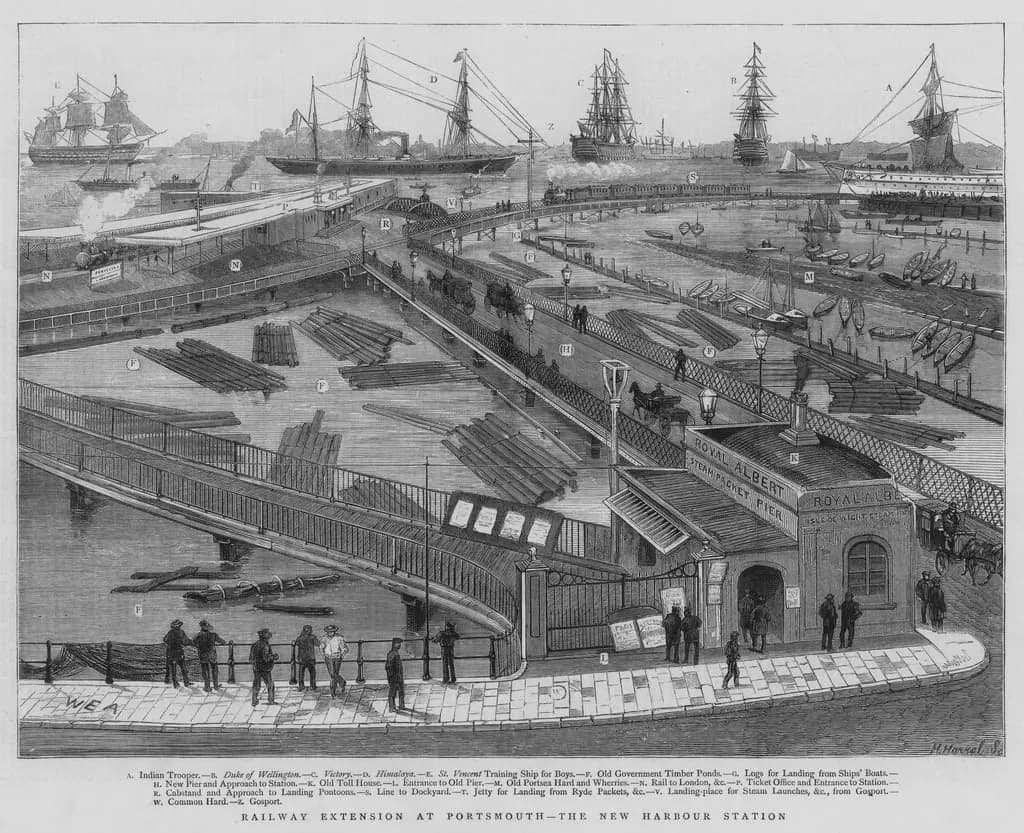
The trouble began on 31 July 1874, when Portsmouth Town Councillor Manoah Jepps visited the beach near Clarence Pier. He found a new fence obstructing public access along the shoreline between the pier and the Assembly Rooms. Councillor Barnard Charles Miller promptly dismantled the barrier, but the Pier Company directors responded by erecting a more robust barricade on 4 August.
The Company claimed authorisation from the Admiralty, War Office and Commissioners of Woods and Forests to enclose this section of beach. Their motives were not purely practical; the directors sought to attract "more genteel customers" whilst excluding working people who, as one contemporary account noted, were in the habit of "washing themselves while nude" in the sea.
The Meeting on Southsea Common
On 5 August 1874, a public meeting was convened on Southsea Common. The crowd that gathered numbered in the thousands; some sources suggest five thousand people attended. Armed with pickaxes and shovels, they marched to the barricade and spent an hour dismantling it. The debris was burned near the Hot Walls.
Pier porters attempted to defend the barrier with sticks, and stone-throwing broke out. Councillor Miller was struck in the face by a police officer during the melee. The violence was only beginning.
Escalation and Military Intervention
The following day, around five hundred youths descended on Clarence Pier and caused damage estimated at upwards of £500. They threw stones at approximately thirty police officers attempting to maintain order.
By 7 August, the situation had deteriorated further. Police charged into the crowd, and rioting raged for more than two hours. Nearly every policeman sustained injuries, and "many rioters and innocent bystanders" were hurt in the confrontation.
The crisis peaked on 8 August 1874, when several thousand people assembled and threatened to burn down the pier. Mayor George E. Kent read the Riot Act, and Governor Sir Hastings Doyle deployed two companies from the 9th Regiment to Southsea Common. The troops lined the edge of the common, and the crowd dispersed with what reports described as "little resistance."
The Aftermath and Questions of Justice
The legal aftermath exposed troubling conflicts of interest. One director and one shareholder of the Pier Company sat on the magistrates' bench that heard cases arising from the riots. The Home Office declined to intervene despite this apparent bias.
Isaac Phillips received a sentence of three months' hard labour for assaulting a police officer and threatening others with an axe whilst drunk. Prosecutions against Councillors Miller and Jepps, along with several other alleged instigators, began at Police Court but the charges were subsequently withdrawn.
Portsmouth Town Council passed a motion of no confidence in the Pier Company directors. The Watch Committee later concluded that police had shown "patient endurance" but that violence against innocent bystanders was "not justified."
The Compromise That Followed
The Pier Company's plans to block beach access were eventually abandoned. Historian John Field characterises the outcome as a compromise: the pier was extended without obstructing public beach access. The route between Clarence Pier and the Assembly Rooms remained open, preserving what councillors had regarded as a public thoroughfare.
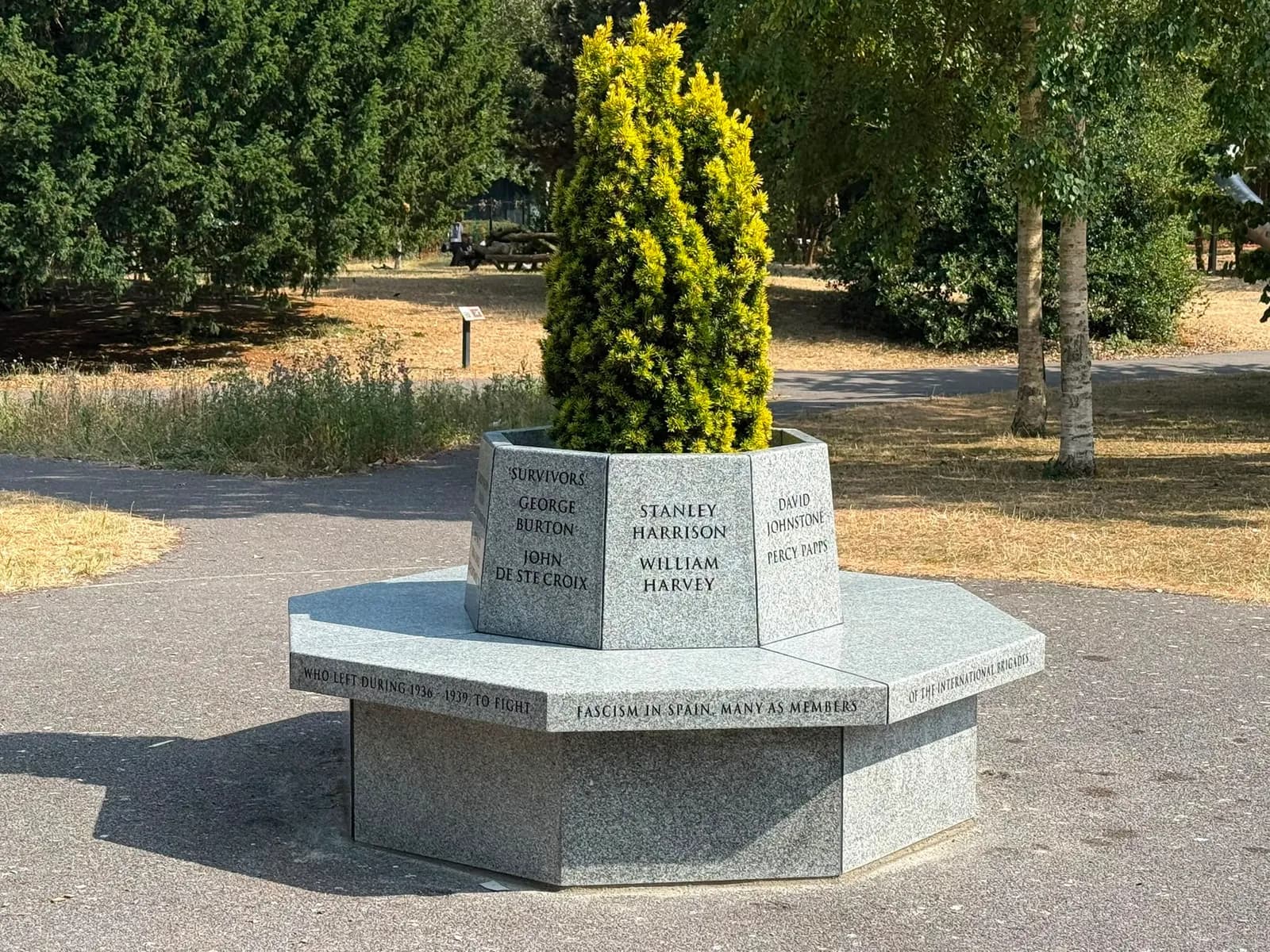
The events of August 1874 left a lasting mark on Portsmouth. A mural entitled "Ye Battle Of Southsea" by William Henry Dugan is displayed at Portsmouth Museum and Art Gallery. In 2024, the 150th anniversary was commemorated with re-enactments, a documentary and memorial plaques by artist Pete Codling, supported by a £134,641 grant from the National Lottery Heritage Fund.
Jackson Batchelor of the Battle of Southsea Historical Society has described the event as "a turning point in the history of Portsmouth" that "led to the common being freely accessible to the public." The Battle of Southsea remains a touchstone for local identity, a reminder of when Portsmouth residents fought to keep their shoreline open to all.